When you think of a sweet hamper, images of glossy boxes, shimmering wrappers, and a cascade of chocolates usually pop up. What if that indulgence could also feel like a hug for the planet? Eco‑friendly sweet hampers with zero‑waste packaging make exactly that possible, turning a treat into a testament of responsibility. In this guide we’ll explore why these hampers are gaining popularity, how they’re crafted, and how you can choose one that matches your occasion and values.
The Sweet Appeal of Eco‑Friendly Hampers
The Rise of Sustainable Gifting
Over the past decade, gifting has evolved from a simple exchange to a statement of identity. Consumers now ask, “What does this gift say about me?” The answer is increasingly “I care about the future.” According to a recent survey, 68 % of millennials say they prefer eco‑friendly products over conventional ones, even if it means paying a little extra. This shift is reshaping the gifting market, and sweet hampers are at the forefront.
The Taste of Responsibility
Imagine biting into a chocolate bar that not only tastes heavenly but also whispers, “I was made with love for the Earth.” That’s the promise of zero‑waste packaging. It’s a marriage of flavor and conscience that lets you indulge without guilt. As one delighted customer recounted, “The first time I opened a hamper with a compostable box, I felt like I’d just opened a secret garden.” That anecdote captures the emotional lift that sustainable hampers bring.
What Makes a Sweet Hamper Truly Eco‑Friendly?
Zero‑Waste Packaging Explained
Zero‑waste packaging means that every material used can either be recycled, composted, or biodegraded. It eliminates single‑use plastics and reduces landfill burden. Think of it as a clean slate—no lingering residue, just a natural cycle back to the earth.
- Compostable paper or cardboard that breaks down in a few weeks. Plant‑based inks that leave no toxic trace. Reusable or refillable components that can be swapped out for future gifts.
Ingredient Sourcing
A truly responsible hamper starts with its contents. Ethical sourcing ensures fair wages for farmers and reduces environmental harm. Look for:
- Organic cacao grown without harmful pesticides. Fair‑trade sugar that supports small‑holder farmers. Local, seasonal treats that cut down on transportation emissions.
Production Footprint
Beyond packaging, the manufacturing process matters. Energy‑efficient production, low‑water usage, and minimal waste streams are hallmarks of eco‑friendly hampers. Brands that publish transparent supply chains let you trace every step—from bean to bite.
How Zero‑Waste Packaging Transforms the Gift Experience
From Plastic to Plant‑Based
Traditional gift boxes often rely on plastic liners and stiffeners that are hard to recycle. Zero‑waste alternatives use natural fibers or biodegradable composites, which feel softer and lighter. It’s like swapping a heavy, rigid suitcase for a lightweight, eco‑friendly backpack.
Design Innovations
Designers are turning constraints into creativity. Without plastic, they experiment with:
- Textured paper that feels luxurious. Fold‑away compartments that collapse into a single sheet. Embedded seed paper that guests can plant after unwrapping.
These features add a layer of interactivity, turning the unwrapping ritual into a mini‑celebration of nature.
Practical Tips
If you’re a first‑time buyer, keep these pointers in mind:
- Check the certification—look for BPI, FSC, or similar seals. Ask about the packaging’s end‑of‑life—can it be composted at home? Consider the total weight—lighter hampers mean lower shipping emissions.
Choosing the Right Sweet Hamper for Your Occasion
Personalization Options
Customizing a hamper adds a personal touch while staying green. Options include:
- Custom labels printed with soy ink. Hand‑stitched ribbons made from recycled fibers. Personalized messages written on biodegradable paper.
Budget Considerations
Eco‑friendly doesn’t always mean expensive. Many brands offer tiered pricing:
Hard candy- Starter packs with basic sustainable ingredients. Mid‑range selections featuring artisanal chocolates. Premium bundles that include luxury items and custom packaging.
You can find a balance that fits your wallet and your values.

Seasonal Themes
Seasonal hampers tap into the natural cycle, aligning with holidays and celebrations:
- Spring: Floral‑infused honey and green‑tea chocolates. Summer: Citrus‑flavored truffles and coconut‑based sweets. Fall: Spiced pumpkin confections and apple‑cider fudge. Winter: Rich, dark chocolate and warm spice blends.
These themes not only taste delightful but also echo the changing seasons—an extra layer of harmony.
The Bottom Line: Why You Should Switch to Zero‑Waste Sweet Hampers
Environmental Impact
Every hamper that replaces plastic with compostable materials saves a chunk of landfill space and reduces greenhouse gas emissions. It’s a small act that multiplies when adopted by millions.
Consumer Trends
Brands that prioritize sustainability attract loyal customers who value authenticity. By choosing eco‑friendly hampers, you’re supporting a growing movement that rewards responsible business practices.
Long‑Term Benefits
Beyond the immediate pleasure, these hampers encourage a mindset shift. They remind us that indulgence can coexist with stewardship, fostering habits that benefit both people and planet.
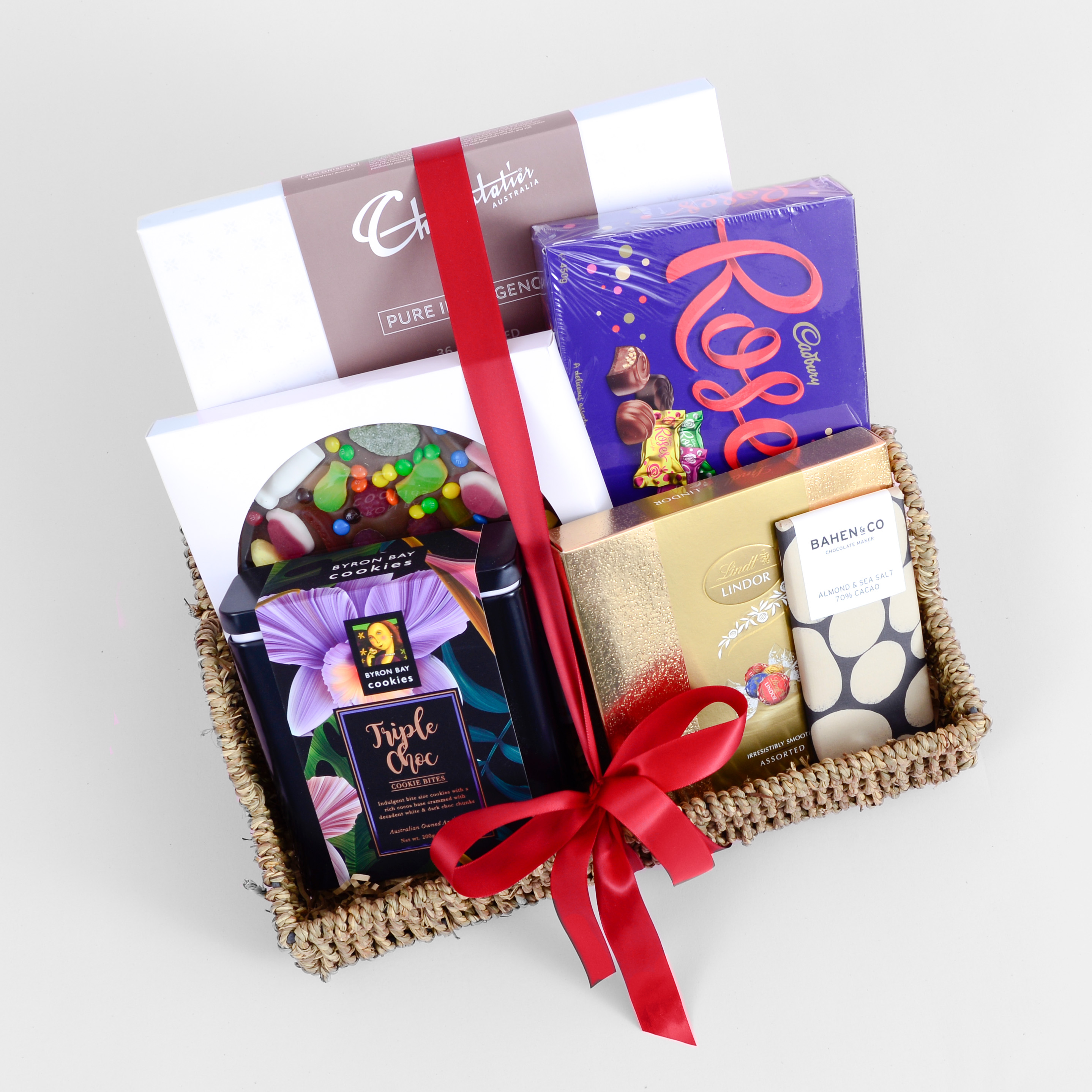
The Perfect Gift Awaits
In a world where every choice echoes, eco‑friendly sweet hampers with zero‑waste packaging stand out as gifts that give back. They combine the joy of a sweet treat with the satisfaction of a greener future. As the saying goes, “A small act of kindness can ripple through the Express delivery world.” By opting for a hamper that respects the planet, you’re creating ripples that could turn into waves of change.
So next time you’re planning a celebration, consider a hamper that’s as kind to the Earth as it is to your taste buds. It’s more than a gift—it’s a gesture of hope. And remember, every chocolate you unwrap is a reminder that sweetness and sustainability can, indeed, go hand in hand.